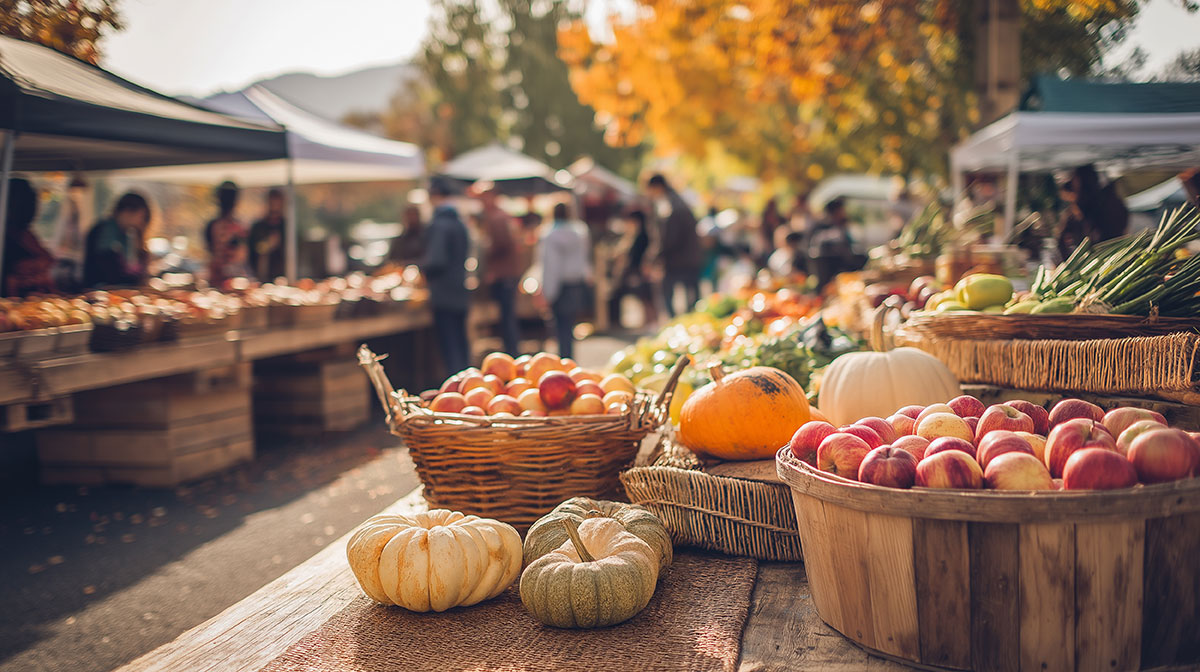
Farming has always been at the heart of my life. Growing up in La Romana and Santo Domingo, I learned the importance of hard work, patience, and respecting the land. For years, my focus was on serving local markets, providing fresh, high-quality crops to nearby communities. Over time, I realized that the world outside my farm held opportunities that could expand my business beyond local borders. The challenge was how to scale a small farm to meet the demands of international markets without losing the quality, care, and personal touch that define small-scale farming.
In this blog, I want to share my experiences and insights on how small farms can grow and thrive in the global market while staying true to their roots.
Understanding the Global Market
The first step in scaling a small farm is understanding the international markets you want to reach. Every country has its own regulations, quality standards, and consumer preferences. Some markets prioritize organic certification, while others focus on packaging, traceability, or sustainable practices.
Researching these requirements may feel overwhelming at first, but it is critical. Knowing what buyers expect helps you plan production, packaging, and shipping accordingly. By aligning your farm’s operations with global standards, you make your products more appealing and reduce the risk of delays or rejected shipments.
Focusing on Quality and Consistency
Small farms have an advantage when it comes to quality. Unlike larger operations that focus on mass production, small farms can dedicate attention to each crop, ensuring consistency and high standards.
International buyers value reliability above all else. A shipment that arrives on time, in excellent condition, and with consistent quality will establish trust and encourage repeat business. On my farm, we have developed routines for planting, harvesting, and post-harvest handling that maintain quality at every step. This focus on consistency is essential for scaling successfully into global markets.
Planning and Logistics
Exporting products internationally requires careful planning and logistics. Perishable crops must be delivered quickly and efficiently, and delays can result in financial loss. Coordinating harvest schedules with transportation, packaging, and customs requirements is essential.
I have learned that building strong relationships with logistics providers is as important as growing the crops themselves. Clear communication, attention to detail, and planning for contingencies help ensure that shipments arrive on time and in excellent condition. For small farms, efficient logistics can level the playing field and make global markets accessible.
Leveraging Technology
Technology has been a game-changer for small farms looking to scale. From soil sensors and irrigation monitoring systems to digital marketplaces and traceability tools, technology helps improve efficiency, quality, and communication with buyers.
For example, tracking soil moisture and nutrient levels ensures crops grow optimally, while digital platforms allow direct connections with international buyers. Traceability tools give buyers confidence in the source and quality of the products. By combining traditional farming practices with modern technology, small farms can scale more efficiently without losing the personal touch that makes their products special.
Building Relationships with Buyers
Relationships are the foundation of a successful export business. International buyers value trust, transparency, and reliability. Small farms can stand out by offering personalized service, clear communication, and attention to every detail of the transaction.
I have found that keeping buyers informed about production schedules, harvest conditions, and shipping timelines builds loyalty and confidence. Long-term relationships with buyers lead to repeat orders, referrals, and sometimes larger contracts, which are all essential when scaling a small farm for global success.
Embracing Sustainability
Sustainability is no longer optional in international agriculture. Buyers are increasingly looking for products grown responsibly, with minimal impact on the environment. Small farms have the ability to implement sustainable practices more easily than large operations, whether it is water conservation, organic fertilization, or careful soil management.
Sustainability not only protects the land for future harvests, it also adds value to the farm’s brand. International buyers often pay a premium for crops grown responsibly, creating a win-win scenario for the farm and the environment.
Scaling Step by Step
Scaling a small farm for international success does not happen overnight. It requires careful planning, incremental growth, and constant adaptation. Start by focusing on one or two products that are most suitable for export, learn the requirements of your target market, and build relationships with reliable buyers and logistics partners.
Once you establish a reputation for quality and reliability, you can expand to additional products and markets. Small farms have the flexibility to adapt quickly, which is an advantage over larger, slower-moving competitors. The key is to grow responsibly, maintaining high standards and preserving the values that make your farm unique.
Final Thoughts
From serving local markets to reaching customers around the world, scaling a small farm for international success is both challenging and rewarding. It requires attention to quality, understanding global markets, careful planning, and building strong relationships. Technology and sustainability practices provide additional tools to grow efficiently while maintaining the integrity of the farm.
For me, the journey has been about more than business growth. It has been about sharing the fruits of my labor, respecting the land, and demonstrating that small farms can compete on a global scale. By balancing tradition with innovation and focusing on quality, small farms can turn local operations into international success stories.
Every shipment that leaves the farm is a testament to hard work, careful planning, and dedication. Small farms may start local, but with the right strategies, they can reach global markets and thrive for years to come.